
(1) More than a quarter of people in the world lack access to basic sanitation services. True or false?

In 2017, an estimated 2 billion people did not have access to basic sanitation services, out of 7.5 billion people then on the planet. That included nearly 750 million people in Africa, or about 69 per cent of the continent’s population.
If people lack access to adequate toilet facilities and associated infrastructure, they often must use pit latrines or defecate outdoors, which can contaminate water, soil, and food resources and lead to a host of human health problems.
(2) Access to clean water and sanitation is a human right. True or false?

The United Nations adopted a resolution in 2010 recognizing “the right to safe and clean drinking water and sanitation as a human right that is essential for the full enjoyment of life and all human rights”. The resolution called for global action to bring proper sanitation and clean drinking water to all people, particularly those in developing countries.
UN Sustainable Development Goal 6 calls for ensuring clean water and sanitation for all. Target 2 under the goal states, “By 2030, achieve access to adequate and equitable sanitation and hygiene for all and end open defecation, paying special attention to the needs of women and girls and those in vulnerable situations”.
While proper sanitation reduces the spread of disease and enables economic development, it is also about human dignity.
(3) Half of humanity does not have basic hand-washing facilities at home. True or false?
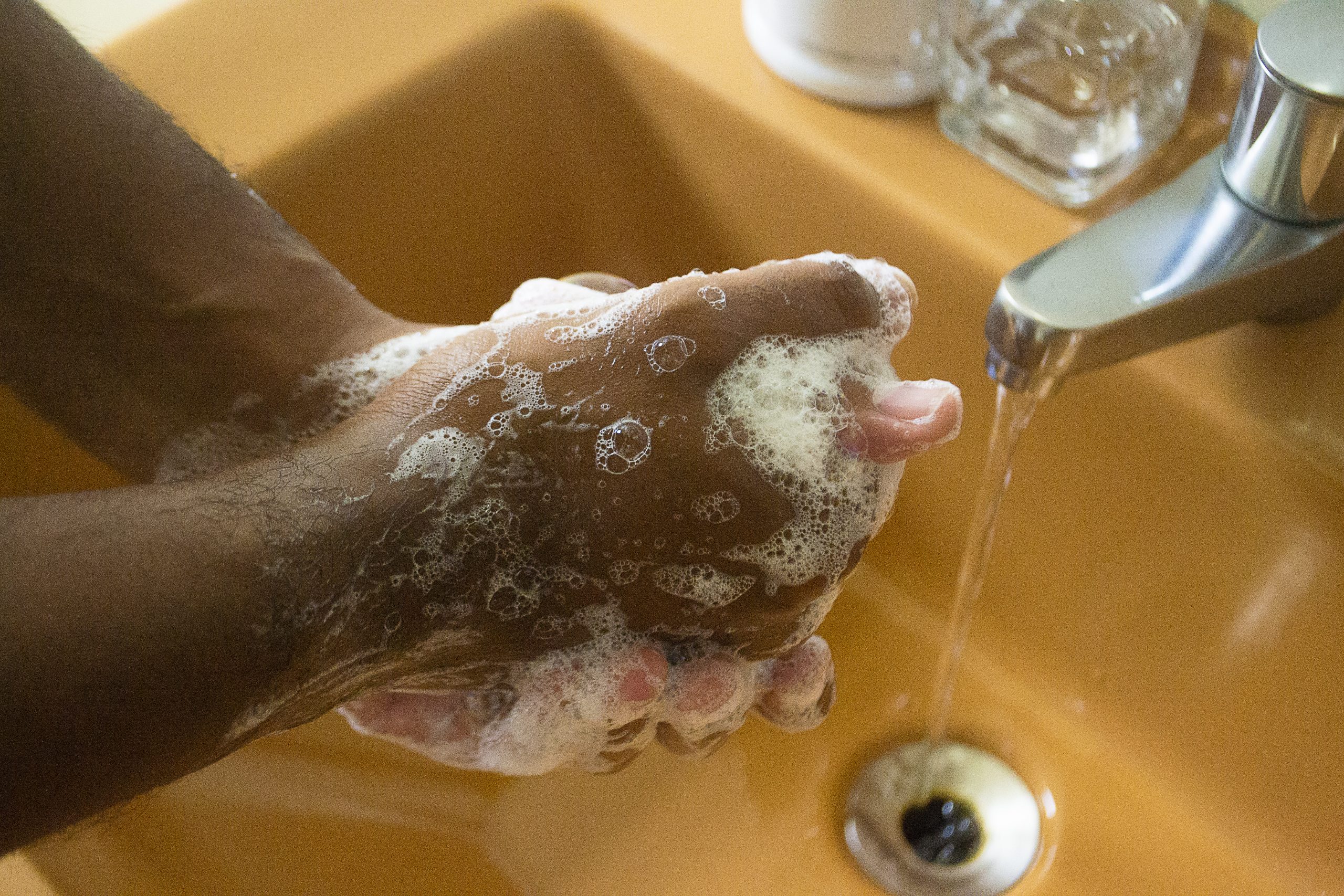
About 40 per cent of people around the world lack such facilities – not half, but still far too high. Roughly two out of every five people on Earth, 3 billion total, cannot properly wash their hands in their own homes. About 1.6 billion of them have only limited handwashing facilities that lack soap or water, while another 1.4 billion have no handwashing facilities at all.
(4) Sanitation is a major economic issue. True or false?

Scientists and governments often focus on sanitation as a health issue, but proper sanitation also provides significant economic benefits to individuals and communities.
Proper sanitation facilities can improve public health and reduce health-care costs. When people fall ill less often, they can devote more time to school and work and can earn higher incomes.
According to a 2012 World Bank report, 18 African countries together lost an estimated $5.5 billion a year because of inadequate sanitation.
Research has shown that every $1 spent on sanitation generates between $5 and $9 in economic benefits.
(5) Waterborne diseases such as cholera and typhoid no longer exist. True or false?

During the 1800s, diarrheal diseases such as cholera, typhoid, and dysentery killed millions of people around the world. Since we no longer hear much about these diseases, one might mistakenly assume they were defeated.
In reality, these diseases continue to take lives throughout the developing world. Each year, there are an estimated 3 million cases of cholera, resulting in 95,000 deaths, and 11 million cases of typhoid fever, resulting in 117,000 deaths. Young children are particularly vulnerable to diarrheal diseases.
Cholera, typhoid, and dysentery are caused by food or water contaminated with faecal matter. Outbreaks of the diseases are often associated with natural disasters such as floods or droughts. During floods, for example, sanitation systems can overflow and contaminate water sources.
Cholera and typhoid are preventable with vaccines, but proper sanitation also has a critical role to play in wiping out these diseases.
(6) Sanitary toilets must be made of porcelain and flushed with water. True or false?

There are many types of sanitary toilets, including squat toilets commonly used throughout Asia and Africa, composting toilets, and Western-style toilets. In addition to porcelain, they can be made of plastic, wood, or bricks.
The water-flushed toilet was invented in 1596, but it took a while to catch on. Still today there are many functional types that operate without water. With so-called dry sanitation units or waterless toilets, waste can be used as fertilizer afterwards. Waterless toilets are particularly useful in developing countries as they can provide sanitation with very little infrastructure.
Communal toilets are also an option in some communities. They can be simple pit latrines with several compartments over one pit, or pour-flush toilets that require users to pour water to wash waste away.
(7) Communal toilets are enough to ensure adequate sanitation. True or false?
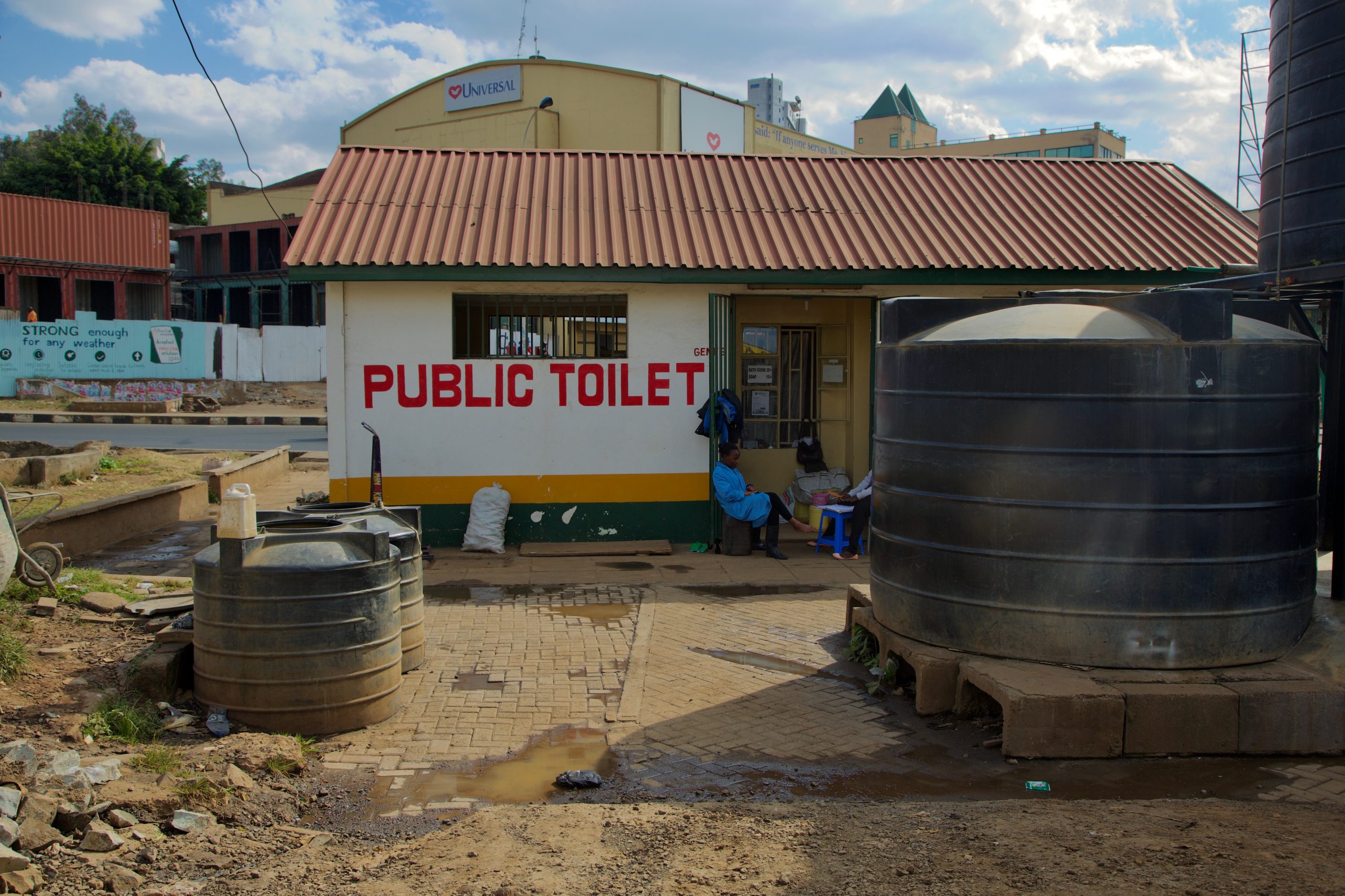
The mere presence of a communal public toilet in or near a community is not enough to end the practice of defecating outdoors. More than 760 million people worldwide used communal public toilets as of 2014, yet many others who could have accessed those facilities instead continued to defecate in the open.
Communal toilets are often not properly maintained or cleaned, do not offer privacy, and lack disposal facilities for sanitary towels. They may be unsafe for women and children at night, or costly for users. They may be located too far from community members’ homes. And open defecation is a tradition in certain communities, so some people may be reluctant to move away from it.
Researchers have outlined recommendations to improve the quality and use of communal toilets. Toilet facilities should be developed in consultation with communities, so their specific needs can be met. Communal toilets should be conveniently located in an accessible place for all community members, ideally within 30 meters of users’ homes. Shared toilets should provide safe access after dark for women and children. The facilities should be financially supported by the public sector to ensure optimal operation and maintenance. With proper planning, communal toilets can help meet basic sanitation needs for many more millions of people around the world.
(8) Human waste is worthless. True or false?
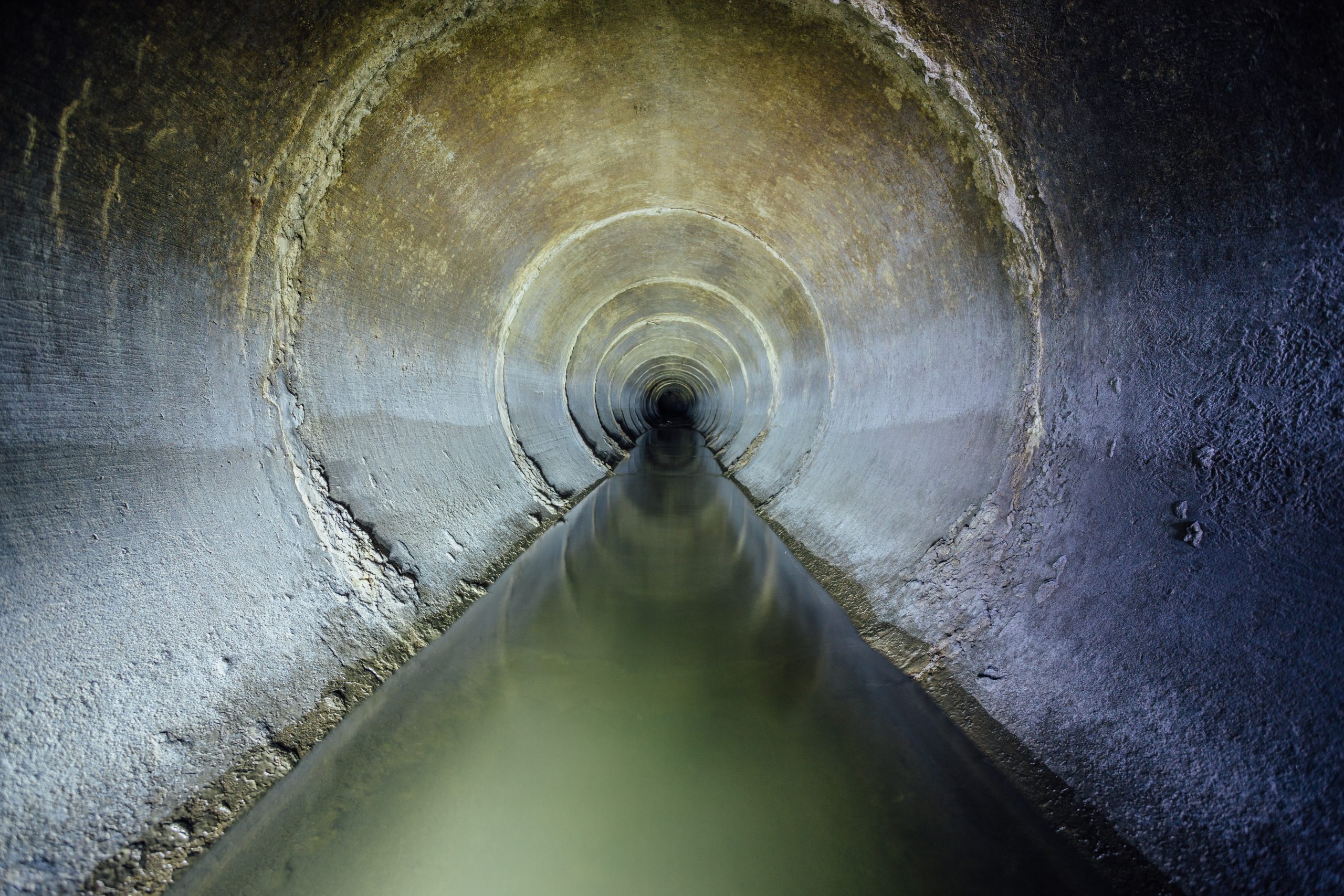
Proper handling of human waste is a challenge for all societies, but it is especially difficult in developing countries. One solution is to use human waste as a resource. If processed appropriately, solid human waste can be used to enrich soil or to generate energy, either as biogas or charcoal (more on this in No. 9 below).
In one case in Kenya, the use of compost made from human waste improved soil health and nutrient retention and resulted in farm yield increases of 20–100 per cent.
Human urine is also rich in nutrients such as nitrogen, phosphorous, and potassium and offers potential value as a crop fertilizer.
Use of human waste in agriculture could reduce reliance on costly chemical fertilizers while helping communities mitigate poverty and address food insecurity.
(9) Sanitation services can be profitable business ventures. True or false?
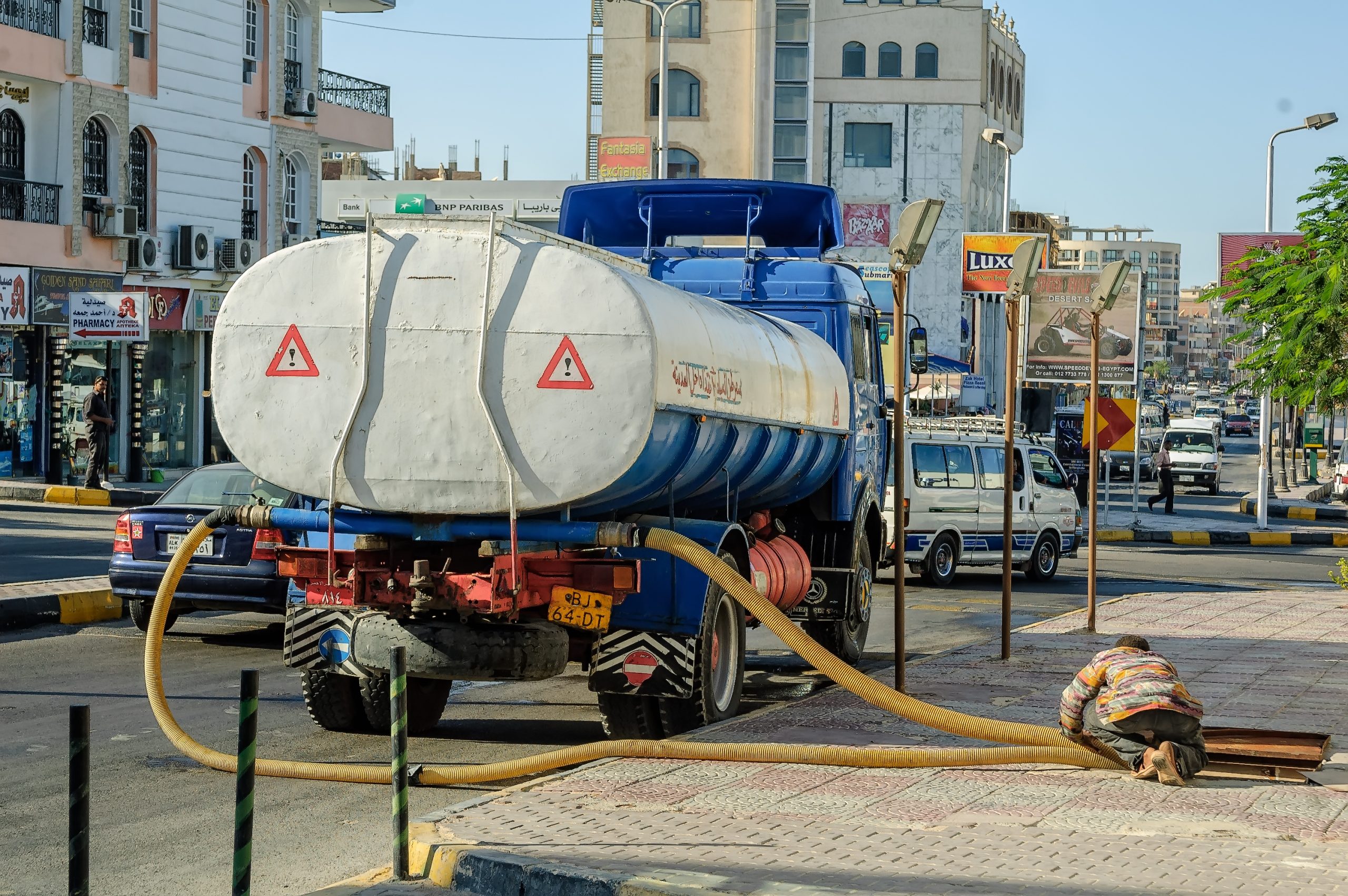
The provision of sanitation products and services can create business opportunities and employment. Sanitation infrastructure often requires new technologies, which can drive innovation.
In Maputo, Mozambique, a community-based association successfully sold the services of pit latrine building and septic tank desludging, which secured livelihoods for locals.
In South Africa, human waste combined with food waste has been used to raise black soldier fly larvae on an industrial scale to serve as animal feed. This is less resource-intensive than many other methods of producing animal feed as it does not require large amounts of land or water.
A business in Kenya converts human waste into fuel briquettes, reducing the need for wood and slowing deforestation. Every tonne of briquettes used is estimated to save 88 trees and offset four tonnes of carbon dioxide emissions equivalent. Kenya’s fuelwood and charcoal market is estimated to be worth as much as $1.4 billion, so there is huge potential for growth.
Biogas businesses can also be built around human waste. Biogas can be created by the breakdown of faecal matter by bacteria in the absence of oxygen. If biogas were generated from the waste of those practising open defecation, it would be enough to provide electricity to almost 10 million local households annually, worth more than $200 million per year.
A 2010 report from the EcoSan Club, an association of people working in the sanitation field, makes the case that investment in sanitation-related business opportunities could provide a sustainable path to better sanitation in many parts of the world.
(10) If you have a functioning toilet, you have sanitation. True or false?
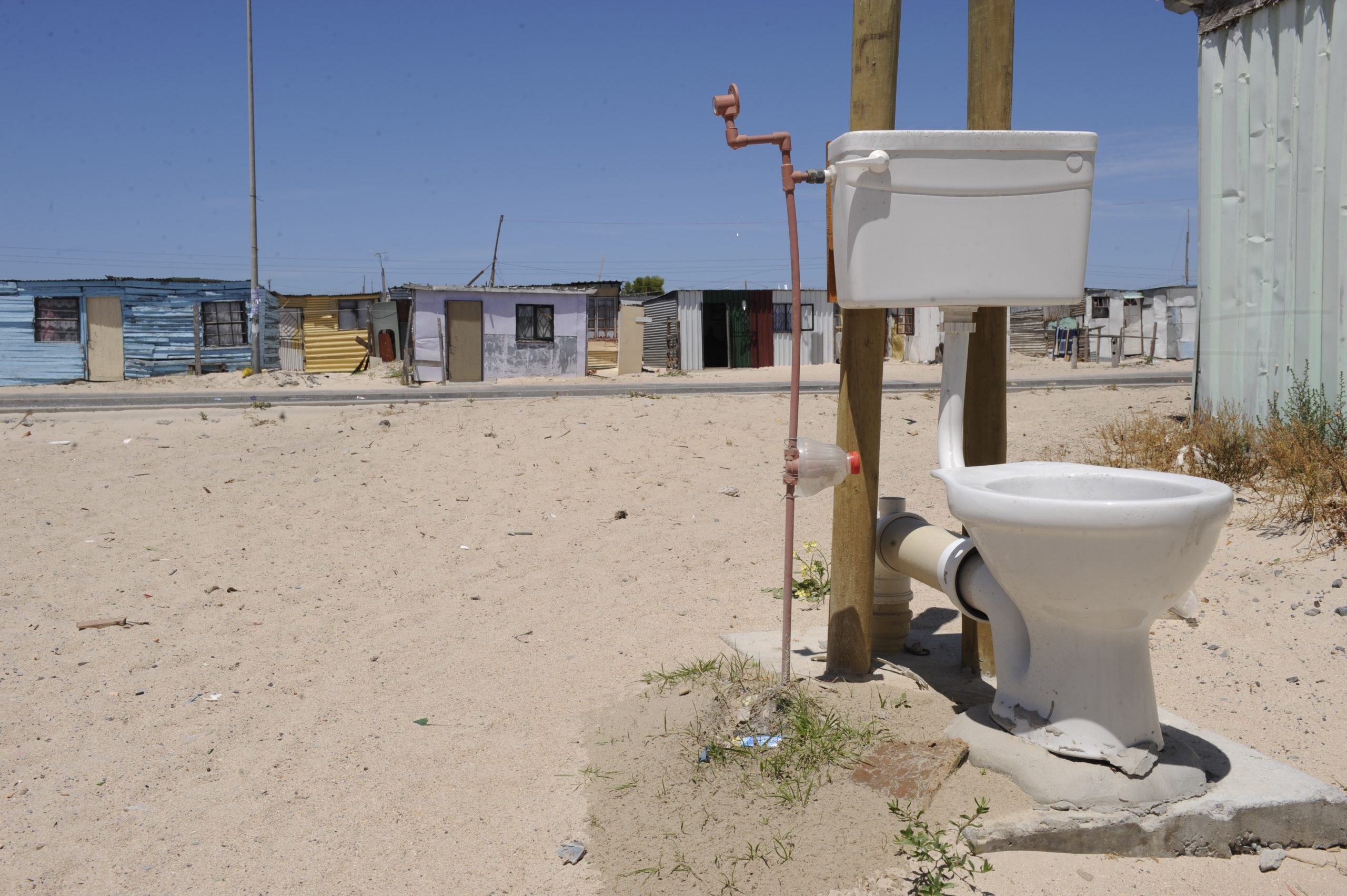
A functioning toilet is not enough on its own to ensure proper sanitation. If a flushing toilet works but discharges too close to homes or into a community water source, it poses health dangers and is not considered adequate sanitation by the World Health Organization.
Toilets must be safe, private, and culturally acceptable so that women, children, and vulnerable people feel secure using them. They must be accessible for older people and others with mobility issues. They must be affordable so using them does not put a financial burden on people.
Ultimately, toilets must be used in order to be effective. Sanitation is a combination of infrastructure and behaviour. Sometimes people are reluctant to abandon established practices like defecating outdoors due to taboos around things like sharing with others. Successful sanitation projects address not just infrastructure but also the specific culture and needs of a community.